
Restoration
How to Restore Wooden Window Frames
A step-by-step overview of assessing, stripping, repairing and repainting wooden window frames in pre-war buildings.
Historic Joinery Reference
A practical reference on wooden frame repair, traditional putty glazing, and preserving original joinery in Polish historic buildings.

Articles
Three in-depth reference articles covering the main areas of historic window restoration.
Restoration
A step-by-step overview of assessing, stripping, repairing and repainting wooden window frames in pre-war buildings.
Glazing
How linseed oil putty is mixed, applied, and cured — along with the tools and timing that determine a lasting result.

Joinery
The regulatory context, material considerations, and practical constraints of retaining original wooden windows in Polish conservation zones.
Why Original Windows
A well-maintained single-glazed wooden window with draught-proofing can match or approach the thermal performance of a standard double-glazed PVC unit, particularly in older buildings where the frame depth allows additional sealing.
Slow-grown Baltic pine and oak, common in Central European historic buildings, has a cell density that modern plantation timber rarely achieves. Frames made from this material, if kept painted and putty-glazed, regularly survive 100 years or more.
In designated conservation zones (strefy ochrony konserwatorskiej) across Polish cities, replacing original windows with PVC alternatives typically requires a heritage permit that is rarely granted for listed structures.
The embedded carbon in an existing wooden frame is already committed. Manufacturing a replacement PVC window generates additional CO₂. Repair and retention generally represents a lower-carbon outcome over a 30-year horizon.
Quick Reference
A summary of the most frequent conditions found in pre-war Polish buildings and the standard approaches applied.
Scenario
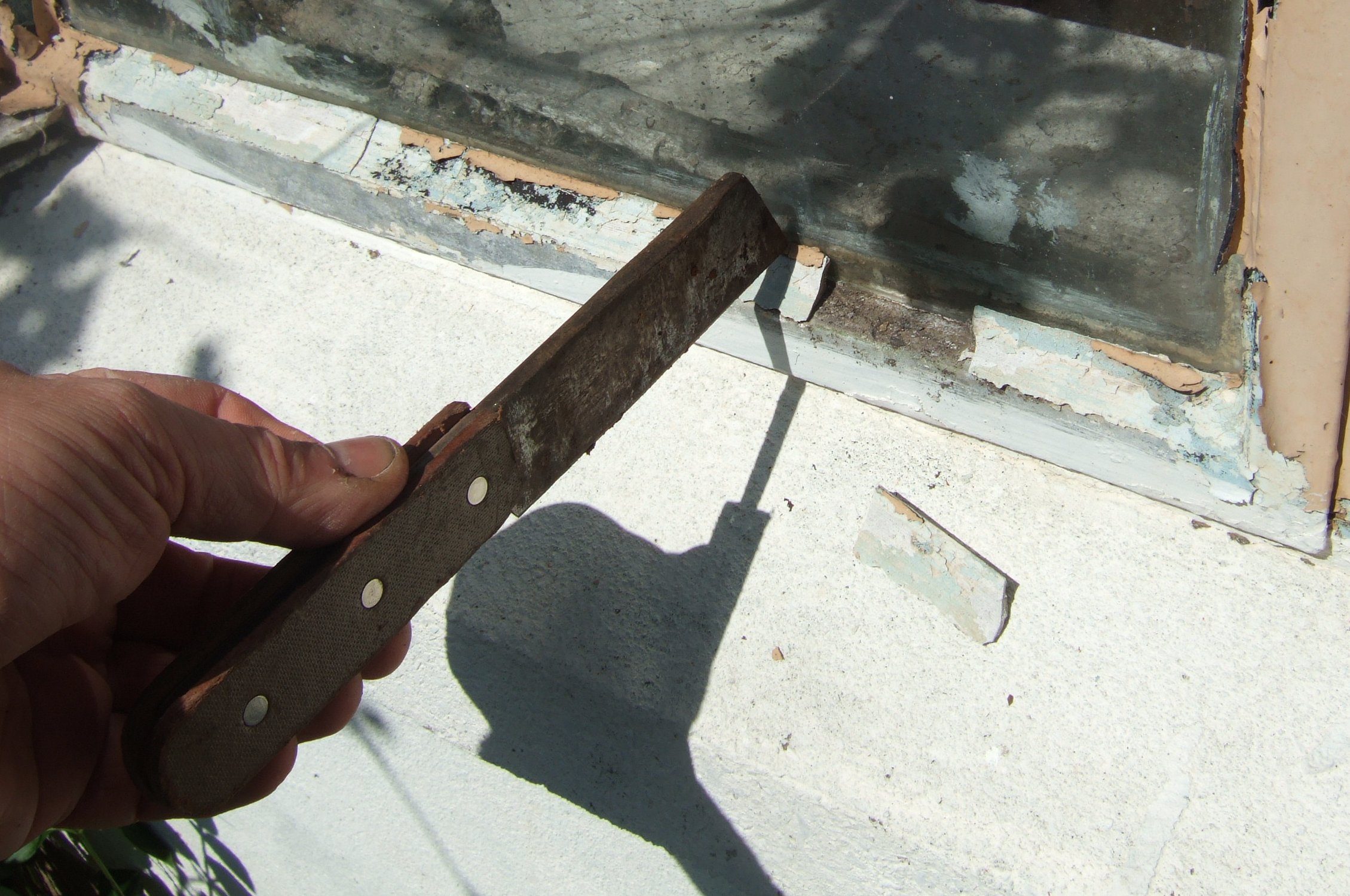
When linseed oil putty hardens and falls away, water enters the rebate and the timber begins to soften. The standard remedy is to rake out all loose material, prime the rebate with raw linseed oil, allow absorption, then bed the glass with fresh putty mixed to a stiff but workable consistency.
Scenario
Localised rot at the sill or at mortice-and-tenon corner joints can often be addressed with epoxy consolidants and filler rather than full replacement. The affected timber is dried thoroughly, treated with a penetrating consolidant, then filled and shaped before priming and painting.
Scenario
Paint build-up over decades is the most common cause of binding sashes. Stripping back to bare wood on the friction surfaces, planing lightly if necessary, then applying a single coat of primer before reassembly typically restores free movement without affecting the frame profile.
Contact
For corrections, source questions, or reference enquiries.
All content on this site is for informational purposes only. Techniques described are general references; always consult a qualified conservation specialist before undertaking work on listed or protected buildings. Wikimedia Commons images are used under their respective Creative Commons licences.